
TOYOTA LEVIN / PETROL–ELECTRIC HEV
New & used
Toyota Levin
Hybrid prices.
A practical sedan starts with a clear buying brief. Compare the exact hybrid version, the evidence behind its condition and the costs of bringing it to your destination.
Sunroof requested.
Confirm it on the actual car.
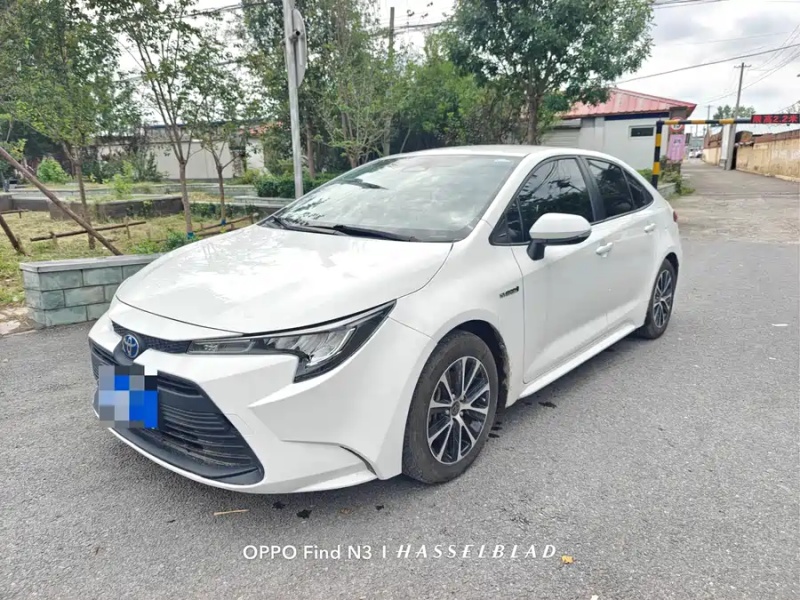
China-market used reference published 2 November 2026. Confirm the individual car, availability and included services. New cars are quoted separately. Freight, insurance, taxes and destination charges need their own confirmation.
- THE POWERTRAIN REQUEST
- 1.8L non-plug-in HEV
- THE EQUIPMENT PRIORITY
- Sunroof, verified per vehicle
- THE PURCHASE BASIS
- A written, vehicle-specific quote
THE CAR / THE DAILY ROUTINE
Start with the Levin Hybrid you actually need.
The Toyota Levin Hybrid is GAC Toyota's China-market petrol–electric HEV. The buying brief is a used 1.8L hybrid with a sunroof requested, subject to confirmation on the individual car.
One model name, several different purchases
Establish Levin Hybrid rather than petrol-only Levin, Levin E+ plug-in hybrid or a different Toyota sedan. Similar names, exterior details and a generic transmission label do not establish the same powertrain. A Corolla listing is not a substitute for a Levin vehicle file, equipment specification or quotation. Keep any alternative model comparison separate.
The US$6,000–8,500 range is a used-car sourcing reference. It does not identify a particular inspected vehicle, promise stock or guarantee a sunroof on every example. New-car requests need a separate production specification, registration status, availability check and price. Put the condition you want in your enquiry, together with the features you cannot compromise on.
A useful brief starts with ordinary journeys
Describe the regular commute, road speeds, traffic, passenger load and parking arrangement. Include hills, rough sections, air-conditioning needs and recurring longer trips. Hybrid operation can suit a different driving pattern from a petrol-only car, but local conditions and the individual vehicle determine the result. Compare the whole routine rather than one short demonstration.
Make the receiving side practical too. Check garage access, the space needed to open doors and the boot, and the luggage you carry with passengers aboard. For business use, describe working hours, driver changes and the equipment that travels with the car. Those details help prioritise cabin condition, working controls and the service arrangements discussed in the ownership review.
For several cars, agree which features must match and which differences are acceptable. Keep a separate identity, specification and condition record for each VIN. Matching paint or similar photographs do not establish consistent equipment. Resolve any proposed substitution against the same destination and operating requirements before accepting it into the order.
IDENTITY / EQUIPMENT / RECORDS
Match the specification to the vehicle file.
A trim name is a starting point. The identification records, installed hardware and working equipment establish the Levin Hybrid being offered.
Keep the records consistent
Request the VIN, identification labels, production information, registration records and current photographs. Reconcile the proposed engine and hybrid specification with those records. Distinguish production date from first registration, and clarify any conflicting listing description before comparing prices. A more recent brochure cannot establish an earlier car's equipment.
Identify the installed traction battery and any replacement record. Chemistry, battery identification, hybrid hardware and control systems need the matching production specification; a badge or a dashboard display is insufficient. Document declared repairs, replacement components and aftermarket changes. Use the same identity throughout the offer, inspection and transport paperwork.
Compare equipment that is present and usable
Seats, lights, displays, cameras, safety equipment and assistance functions can differ between versions. If a feature is essential, record it in the accepted specification and demonstrate it on the actual car. For fitted driver assistance, establish operating limits and relevant repair or calibration history. A camera or sensor is not proof of every advertised function or correct operation.
Check screen language, phone pairing, keys and any required app, account or connected service for the next owner and destination. Separate basic local operation from functions depending on regional networks or support. Do not assume an update adds missing hardware or that an overseas Toyota specification applies. The condition report should identify unresolved faults alongside the equipment list.
| Record | What to establish |
|---|---|
| Identity | VIN, production information, model and registration status. |
| Powertrain | 1.8L HEV request, matching hybrid hardware and battery identification. |
| Equipment | Fitted features, required sunroof, keys and accessories. |
| Condition | History, diagnostic access, inspection findings and untested items. |
If an offer is for Levin L, request its exact specification and a separate quotation rather than treating it as an automatic substitute for this used Levin HEV brief.
PETROL / ELECTRICITY / EVERYDAY COSTS
A hybrid routine without a plug-in charging plan.
This non-plug-in HEV uses petrol and electrical energy managed within the vehicle. It does not need external charging; that distinguishes it from the Levin E+ plug-in hybrid.
Understand the energy paths
The engine can contribute to driving through the hybrid system and can supply energy for generation. Energy recovered during deceleration also replenishes the traction battery. It is not a range-extender arrangement in which the petrol engine only generates electricity. The balance between engine and electric operation changes with demand, charge level and operating conditions.
GAC Toyota's HEV guidance explains the combined petrol–electric approach and the absence of an external-charging requirement. For the offered car, use the matching manual to understand normal engine starts, warning indicators and operating modes. A brief quiet electric movement does not promise an entire journey without the engine starting.
Read E-CVT and consumption figures carefully
The hybrid E-CVT coordinates the power-split system electronically. Do not equate the word “CVT” in a short listing with the conventional belt-type CVT of a different petrol-only vehicle. Confirm the actual transmission and matching service information. Engine and motor peak outputs should not be added to invent a combined system rating.
Compare fuel figures using the same test method and version. A published test-cycle result, a dashboard average and a measured journey are different evidence. Temperature, speed, hills, traffic, tyres, load and heating or cooling use affect real consumption. Short trips and long stationary periods also change the pattern. Estimate fuel cost with local prices and realistic distance; the purchase worksheet adds quoted purchase costs rather than predicting fuel savings.
The hybrid arrangement still needs engine servicing and assessment of its electrical systems. The high-voltage traction battery and the low-voltage battery serve different roles and need separate checks. A charge-level display is not a battery-health certificate. Ask what a diagnostic result measures and how it relates to the installed battery, test conditions and observed operation. Use trained personnel for high-voltage inspection and the correct maintenance information.
SUNROOF / PASSENGERS / LUGGAGE
Make the cabin requirements specific.
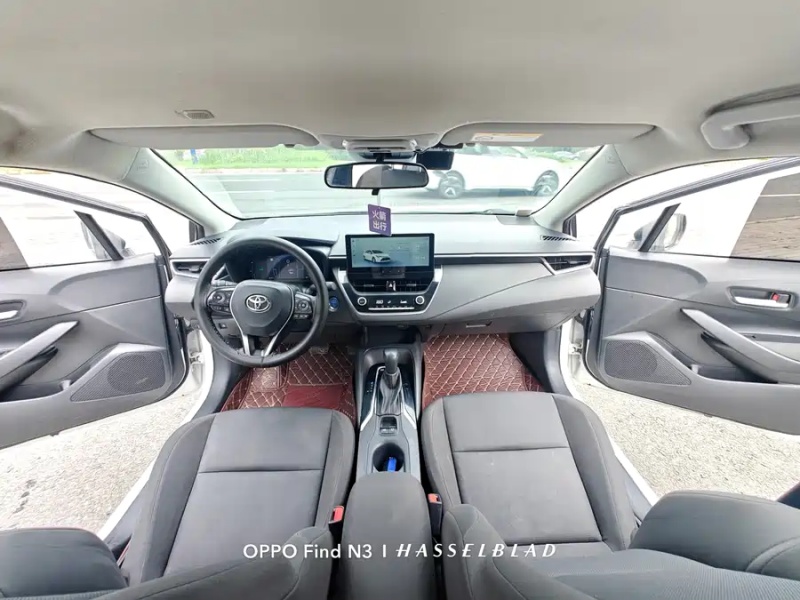
The requested sunroof and everyday comfort features need their own evidence. Reference pictures help the discussion; current photographs and an operating check establish the proposed car.
Confirm the sunroof and its condition
Ask for clear roof photographs, the controls, the open and closed positions and the surrounding headlining. Confirm whether the sunroof is original equipment and how it operates. Have the glass, seals, mechanism and any relevant drainage path assessed appropriately, including signs of water entry or earlier repair. An exterior roof photograph alone does not prove operation or a dry cabin.
Record any noise, sticking, warning or damaged trim that needs further assessment. Include sunshade operation where fitted. Agree required preparation and how completion will be checked; do not turn “sunroof requested” into an assumed feature before the actual vehicle has been identified.
Check comfort with the people and items involved
Request front-seat, rear-seat and luggage-area photographs. Check seating adjustment, belts, child-restraint anchorage information, rear access and the boot opening against your needs. If a pushchair, suitcase set or work item must fit, request measurements with seats in the intended travel positions rather than relying on another version's loading photograph.
Test air conditioning, windows, mirrors, locks, lighting, displays, parking equipment and every supplied key. Check upholstery, odours, carpets and storage areas alongside the available history. Allow access to service points and follow the matching manual around hybrid components; storage or luggage must not obstruct a required battery-cooling path. Relate the result to the agreed purchase scope, including accessories and work still outstanding.
LOOK AT THE CAR. VERIFY THE DETAILS.

CONDITION / THE INDIVIDUAL CAR
Inspect beyond a tidy exterior.
A used Levin Hybrid needs a dated, vehicle-specific assessment. Combine its history with checks of the body, petrol engine, hybrid system and equipment you intend to buy.
Make the evidence traceable.
Match the VIN, identification labels, registration information and current photographs to the proposed specification. Compare displayed mileage with available service records, earlier entries and cabin wear. Ask about declared repairs, water exposure and major component replacement, and request the supporting records.
Review structural areas, panel repairs, underbody condition, leaks, corrosion, tyres, brakes and steering. A qualified inspector should identify inaccessible areas and unresolved questions. An attractive photograph cannot establish airbag condition or exclude hidden repairs; agree which checks and evidence the inspection will actually provide.
Record the inspection date, provider, test conditions and limitations. If a repair or replacement battery is claimed, match its paperwork to the installed component and ask what still needs verification. Keep an agreed specification for each VIN when sourcing several cars.
Check the hybrid and the requested features.
Include appropriate diagnostics, engine-start observations and a road test under stated conditions. Ask which fault information was accessible and whether codes had been cleared. Assess the high-voltage traction battery separately from the low-voltage battery. A charge display or brief electric operation is not a capacity or remaining-life certificate.
Have trained personnel review relevant battery diagnostics, insulation-related faults and cooling arrangements using the matching service information. Record the method and conditions behind any battery-health figure. Test warning indicators, climate control, windows, locks, supplied keys and fitted assistance functions. For the requested sunroof, confirm that it is installed, operates correctly and has no observed water ingress; investigate staining, damaged seals or drainage concerns rather than treating appearance as proof.
SERVICE / PARTS / WRITTEN COVER
Set up the maintenance route before arrival.
An economical purchase still needs usable workshop support. Confirm who can maintain the exact Levin, obtain compatible parts and explain any cover being offered.
Use the right schedule and parts.
Give the receiving workshop the VIN, production information, hybrid-system details and inspection record. Confirm suitable diagnostic access, high-voltage competence and the service information it can obtain. Follow the selected vehicle's schedule and fluid specifications; low recorded mileage does not establish that every time-based service was completed.
Review engine oil and filter history, coolant requirements, the specified transaxle service and the fitted battery-cooling arrangement. Ask whether intake areas or filters require attention under the matching manual. The traction battery and low-voltage battery serve different roles, so request separate findings. Do not substitute a generic conventional-CVT service procedure for the car's specified transmission requirements.
Order parts by VIN and part number. Establish whether diagnosis, installation, programming or calibration is needed, particularly after electronic or assistance-system work. A quoted component price alone is not the full repair allowance.
Identify who stands behind each promise.
Build the initial service budget from documented work and unresolved inspection findings. Separate completed preparation from work due or still awaiting diagnosis. Check the equipment and software record with the workshop where regional functions or account access matter.
Check whether a VIN-specific recall or service campaign applies and request completion evidence where relevant. This is a vehicle-history question, not a reason to generalise another model's campaign to every Levin.
Obtain any proposed warranty in writing from its named provider. Confirm territory, transfer conditions, exclusions, claims procedure and which workshop may perform covered work. Manufacturer terms, seller cover and independent service plans are different arrangements; none should be assumed from a Toyota badge or an overseas shipment.
PRICE / A DEFINED PURCHASE
Use US$6,000–8,500 as a starting point.
This is the used 1.8L Levin Hybrid sourcing reference, with a sunroof requested and its fitment to be confirmed. The individual car and agreed services determine the quotation.
Compare condition and specification together.
Ask for the exact version, installed equipment, history, inspection findings and required preparation. Different battery evidence, repairs, accessories or sunroof condition can change the purchase decision. A lower headline amount is useful only when you understand those differences.
New-car requests need separate pricing after specification, production and registration status, and availability are checked. Confirm whether the requested new specification can actually be sourced. Do not treat the used reference as a current new-car offer.
Keep the cost scope visible.
Confirm whether inspection, preparation, inland transport and export handling are included. Freight, insurance, duties, taxes, port charges, clearance and registration require separate confirmation. The reference establishes neither stock availability nor an Incoterm or delivered price.
Check quotation date, validity, currency, payment stages and acceptance arrangements. Allocate shared shipment costs consistently when buying several cars and avoid counting an included service twice. Use the per-vehicle worksheet to organise quoted amounts; blank costs remain unknown.
DOCUMENTS / DESTINATION / HANDOVER
Plan for the receiving country.
Export preparation in China does not establish permission to import or register the car abroad. Check the actual vehicle and route before committing.
Confirm the import path with your broker.
Provide the VIN, production and registration details, powertrain description and intended use to a qualified destination broker. Ask about applicable age, steering position, conformity, emissions, inspections and registration requirements. Describe the car accurately as the selected non-plug-in hybrid; another Levin powertrain or a Corolla document set cannot establish its eligibility.
Agree the invoice, vehicle records, export/customs and transport paperwork with the relevant providers. Clarify translations or certificates with the broker. Keep the vehicle identity consistent across the accepted offer, inspection and shipment documents. Recheck suitability if a replacement vehicle is proposed.
Define responsibility at each transfer.
Record the car, quantity, condition, price, payment stages and acceptance process. Identify who arranges preparation, export handling, freight, insurance and clearance. If a delivery term is used, specify its named place and responsibilities.
Carrier acceptance and preparation must cover the car's fuel, battery and physical condition. A faulty or damaged vehicle may need a different arrangement. Document condition, keys and accessories before loading, then agree arrival inspection, collection and how damage or shortages must be reported. Treat dates as provisional until the relevant booking is confirmed.
QUICK ANSWERS / BEFORE YOU ENQUIRE
Questions about your Levin purchase.
Keep the powertrain, equipment and quotation scope clear from the beginning.
Is US$6,000–8,500 a new-car price?
No. It is the used 1.8L Levin Hybrid reference. New vehicles require a separate specification, status, availability and service-scope quotation.
Is a sunroof guaranteed at that price?
No. A sunroof is part of the sourcing request. Confirm fitment, operation, condition and the actual car's price before agreement.
Does this HEV need a plug-in charger?
The non-plug-in HEV brief does not require external charging. Keep it separate from Levin E+ or another plug-in model; see the hybrid-operation guide.
Does the reference include shipping?
It does not establish a delivered offer. Request an itemised quotation showing the car, included services, freight, insurance and destination responsibilities.
Does the Toyota name establish local warranty cover?
No. Ask the named provider for written terms applicable to the vehicle, next owner and destination. Check the service and cover arrangements.
What should I send for a quotation?
Share destination, quantity, new or used preference, budget, acceptable year and mileage, essential equipment and delivery scope. Add an email address or WhatsApp number for a reply.
YOUR PER-VEHICLE COST WORKSHEET
Add the costs you can identify.
Use quoted amounts and allocate shared shipment costs per vehicle. This worksheet adds your entries; it does not calculate a freight rate, duty or tax.
Vehicle allowance only. Three other cost categories have not been entered.
Blank means unknown, not free. Keep every amount on a consistent USD basis, allocate shared costs fairly and avoid counting included services twice. Allow separately for any service work the inspection identifies.
Your entered subtotal is a planning figure, not a verified landed price. Entries are shared only when added to your enquiry and submitted.
YOUR TOYOTA LEVIN HYBRID ENQUIRY
Start with your priorities.
Tell Panda the destination, budget and equipment you need. We can discuss a suitable new or used HEV, the evidence for the individual vehicle and a quotation with clearly agreed services.
Privacy & enquiry information How your details are used +
Selecting Send enquiry sends your name or company, chosen contact details and vehicle requirements to Panda through our enquiry service. We use these details to reply, clarify the specification and discuss the sourcing or export services you request. Relevant information may be shared with parties needed to prepare your requested quotation or service.
Optional WhatsApp and Email links open the chosen service with your message for review. You decide whether to send it there; those services process information under their own policies. Do not include passwords, payment credentials or identity-document images in an initial enquiry.
For questions, corrections or deletion requests, email info@pandausedcars.com. Information needed for an active enquiry, a transaction or applicable recordkeeping may need to be retained. This page does not load third-party analytics. Notice dated 2 November 2026.